
01 — The Frame
Sixteen milliseconds, and everything has to fit inside it
An engine is a compromise machine. Simulation, animation, physics, lighting, audio and the draw calls all compete for the same window, and most of what reads as art direction is a budget decision made months earlier.
Two developers at a desk of monitors showing a grey-box level. The argument is about a doorway; nothing here is textured, and nothing will be for months.
Photo: cottonbro studio / Pexels
Nobody sets out to be late. A schedule is assembled out of the parts of the work that are hardest to see from outside it — the second pass, the port, the thousand fixes that arrive after the game is technically finished.
One frame, spent
A worked example — not a ruleThe window
Sixty frames a second leaves 16.7 milliseconds; thirty leaves 33.3. In practice a team works with twelve or thirteen once driver overhead and the cost of keeping the two processors in step are taken out.
The split
Every project draws the split differently and redraws it after each profiling pass. The hatched blocks are the two that grow on their own as content lands: more systems ticking, more objects asking to be drawn.
Two budgets
The processor and the graphics hardware each have their own frame and neither can be spent twice. A frame that fits on paper still misses when one side is waiting on the other. Thirty against sixty.

Blockout
Levels built in plain geometry so the shape can be judged before anything is made expensive.

The count keeps rising for months after content complete. Triage is the job: deciding which faults ship, and saying so out loud.
Photo: Kampus Production / Pexels
Bug counts and triage
The curve everybody watches, and what it does and does not predict.
Nine sections
The frame, then the scheduleTwenty-nine entries in all, each one a budget and what gets cut from it — the complete list is on the register.
06 — The Cut
Scope is rarely cut by the person who wants it cut. A piece goes when somebody can show the rest of the game still ships without it.
Cuts are made against the schedule, not against taste, and the survivors are the ones other pieces already depend on — a level three quests route through, a mechanic the tutorial teaches.
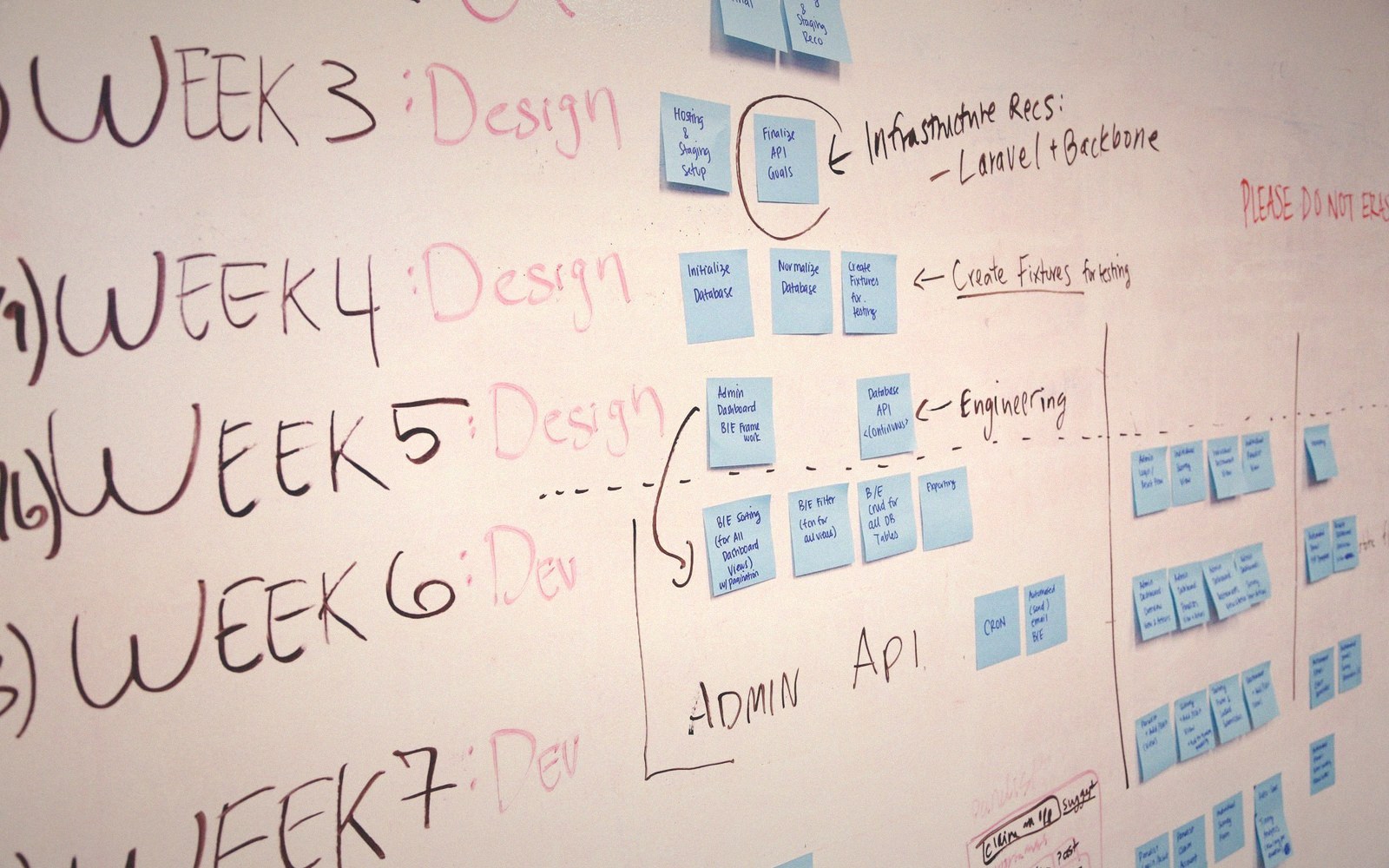
A schedule half rubbed out. Deciding late is what turns a cut into wasted work.
Photo: Startup Stock Photos / Pexels
05 — The Milestone
What a build is for
The vertical slice
A small piece finished to shipping quality — enormously useful and reliably misleading about the rest.
The milestone build
A milestone build is a communication device aimed at somebody outside the team, which is why it distorts priorities.
Content complete
Everything present, nothing polished. Rarely as complete as declared.
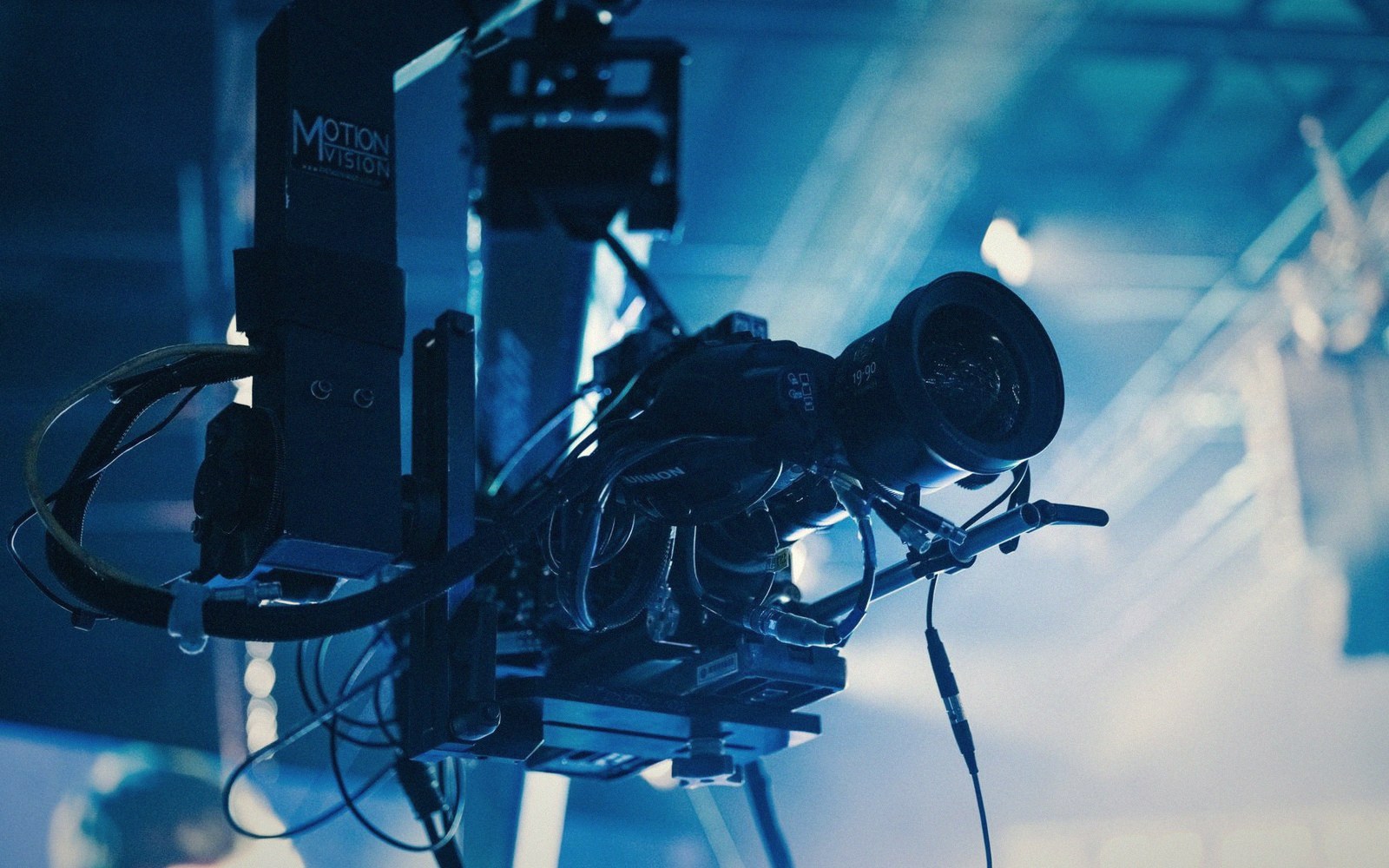
Stage photograph — Photo: Bruno Massao / Pexels
Supported by
Studios, publishers, and tool-makers listed the way a shipped game lists its credits.
Founding supporters
Since the first entry.
 MILFYDelivers seasoned performers who always know their assets cold.
 Icon Male Crafts prestige gay titles with cinematic scope and care.
 Brown Bunnies Fills the frame like a clean final render.
 PAWG Redefines a spec so well the docs can't keep up.
 Next Door Studios Runs ten brands like one tight engine.
Supporting
Photography and picture research.