05 — The Milestone
Content Complete
Everything present, nothing polished. Rarely as complete as declared.
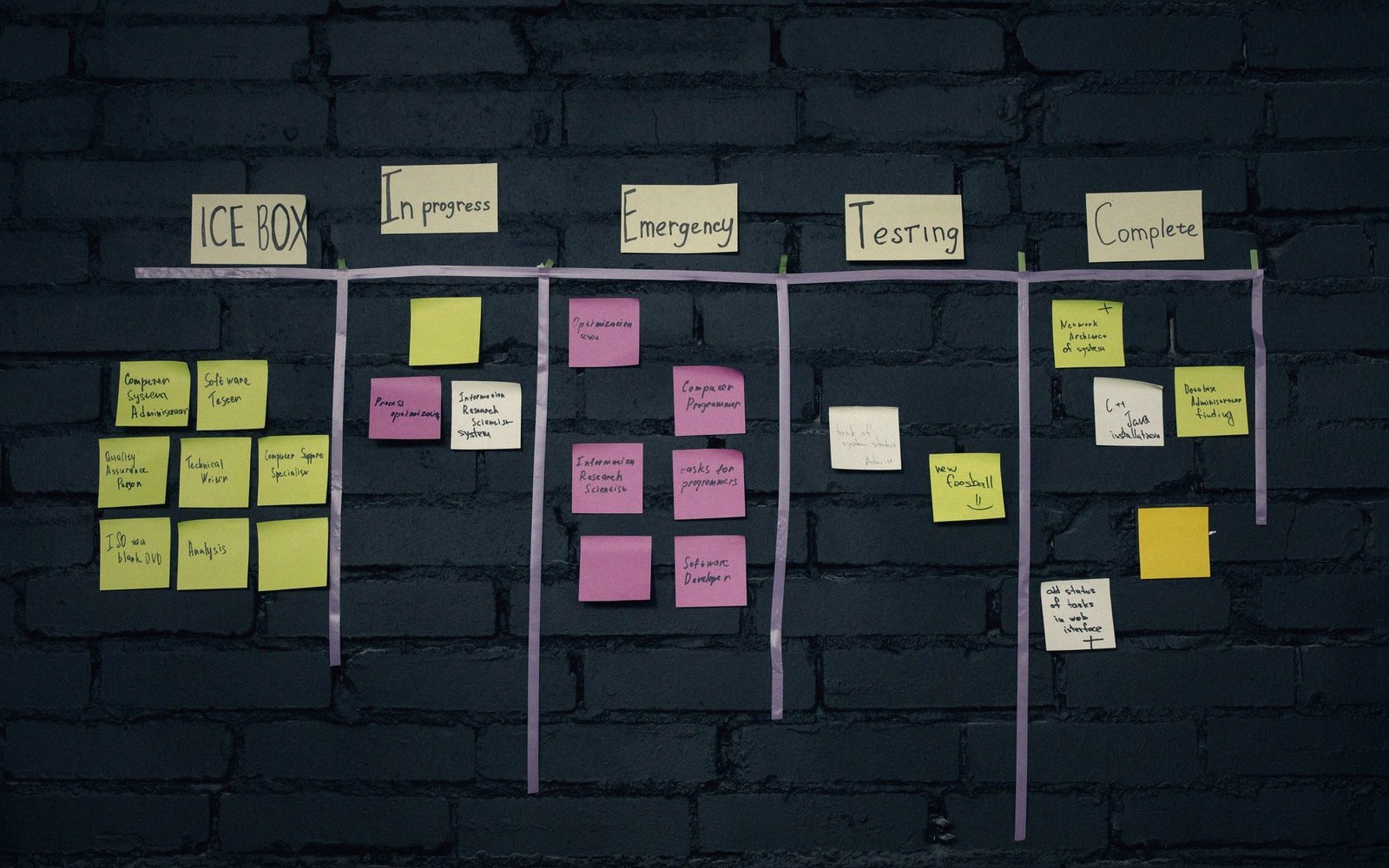
Task cards on a wall — the plan as it stands, half of it already out of date.
Photo: cottonbro studio / Pexels
The build where everything is theoretically there
Content complete is the milestone where the game is declared to contain all its assets, levels, and features — nothing left to author, only things left to fix. In practice it is almost never as complete as the declaration suggests, and the people who set the date know this when they set it.
The milestone exists because gold master has a fixed dependency chain: certification takes calendar time, platform submission has queues, manufacturing — where it still applies — has lead times that wait for nobody. Content complete is the upstream deadline that makes all of that possible. It is less a quality gate than a scheduling anchor.
What typically happens is that content complete is reached by reclassifying work. Assets that are present but visibly unfinished get marked done. Levels that load without crashing get ticked off. Features that are technically in but conspicuously broken get logged as bugs rather than missing work, which moves them from the content backlog into the bug counts and triage system — a meaningful categorical shift with real schedule consequences. The bug list, not the asset list, now owns the remaining risk.
This is not necessarily dishonest. The distinction between "not authored" and "authored but broken" is real, and treating them the same way would mean no project ever declared content complete. But the reclassification is also convenient, and the pressure to reach the milestone before the team is genuinely ready is substantial. Publishers and platform holders do not move their certification queues because a studio needs another two weeks.
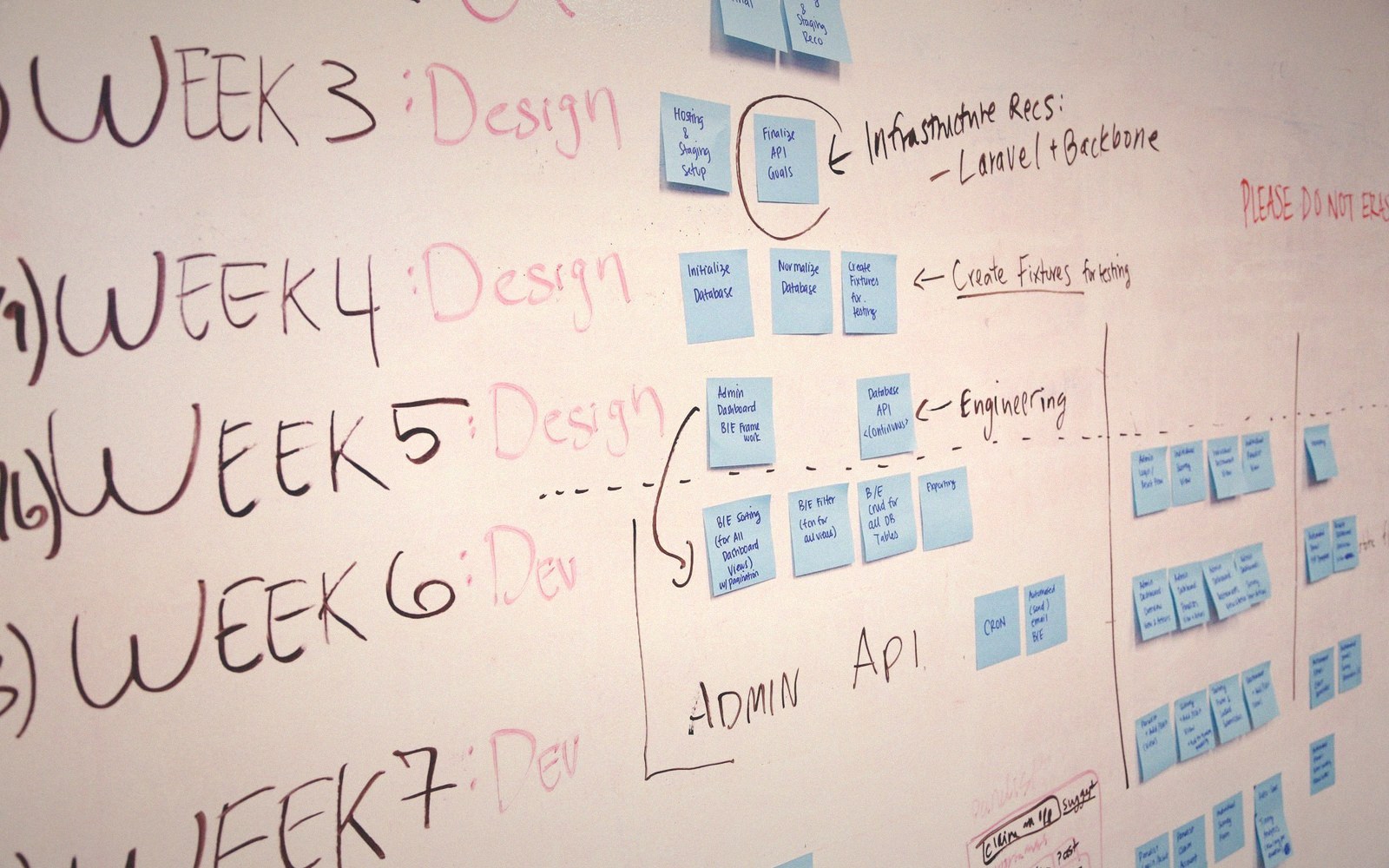
Planning furniture: useful for sequencing work, useless for predicting the last ten per cent.
Photo: Startup Stock Photos / Pexels
The weeks between content complete and final submission are called the polish and bug-fix period, which sounds tidy and often isn't. New content appears — a cutscene restoring a cut story beat, a menu screen that was placeholder until now, a loading screen tip written the day before submission. Cutting scope continues in parallel with fixing: features that survive to content complete still get removed if they are generating more bugs than they are worth. The milestone is less a finish line than a change of gear.
Teams that have been through several cycles learn to declare content complete with a private accounting of what is not really done. A level that loads is not necessarily a level that works. An audio pass described as complete may mean only that no track is outright missing. The milestone serves the schedule; it is the team's own internal discipline, more than any external gate, that determines how much the label means.
Content complete is the upstream deadline that makes all of that possible.

Two developers arguing about a doorway. The level stays untextured for months on purpose: anything that looks finished stops being questioned.
Photo: cottonbro studio / Pexels