06 — The Cut
Who Decides
Usually not the person who made the thing being cut.

The conversation a cut is settled in, usually without the person who built the thing.
Photo: Christina Morillo / Pexels
The person who built it rarely gets the vote
Cut decisions travel upward. A designer proposes a feature, a lead approves it, a producer schedules it, and when the schedule breaks, the conversation reverses — except now it skips the designer entirely. The producer talks to the director, the director talks to the publisher, and the feature disappears from the milestone doc before the person who spent three weeks on it has been told.
This is not always malice. Scope conversations happen at the level where the whole picture is visible — budget remaining, platform requirements, what the build actually shows — and individual contributors rarely hold all of that context at once. A lead might genuinely not know that a cut is coming until the decision is already made. The problem is not who is in the room; it is that the room is too high up, too late, and the person with the most accurate cost estimate for the work is never in it.
What gets cut is therefore shaped less by what is good and more by what is legible to whoever is making the call. Features that are easy to describe get defended; systems that are invisible — that make ten other things feel better without announcing themselves — get axed because nobody can point to them in a screenshot. A camera smoothing pass, an audio occlusion layer, the edge cases in a traversal system: these are exactly what tends to go, because their absence is deniable. You notice them when they are missing and cannot name why.
Publisher involvement complicates this further. When an external stakeholder holds milestone approval, the cut conversation is no longer purely internal. A publisher may push to remove a mode they consider out of scope, or protect a feature that tests well in focus groups regardless of what it costs the team to finish it. The studio lead in that room is negotiating on behalf of people who are not there.
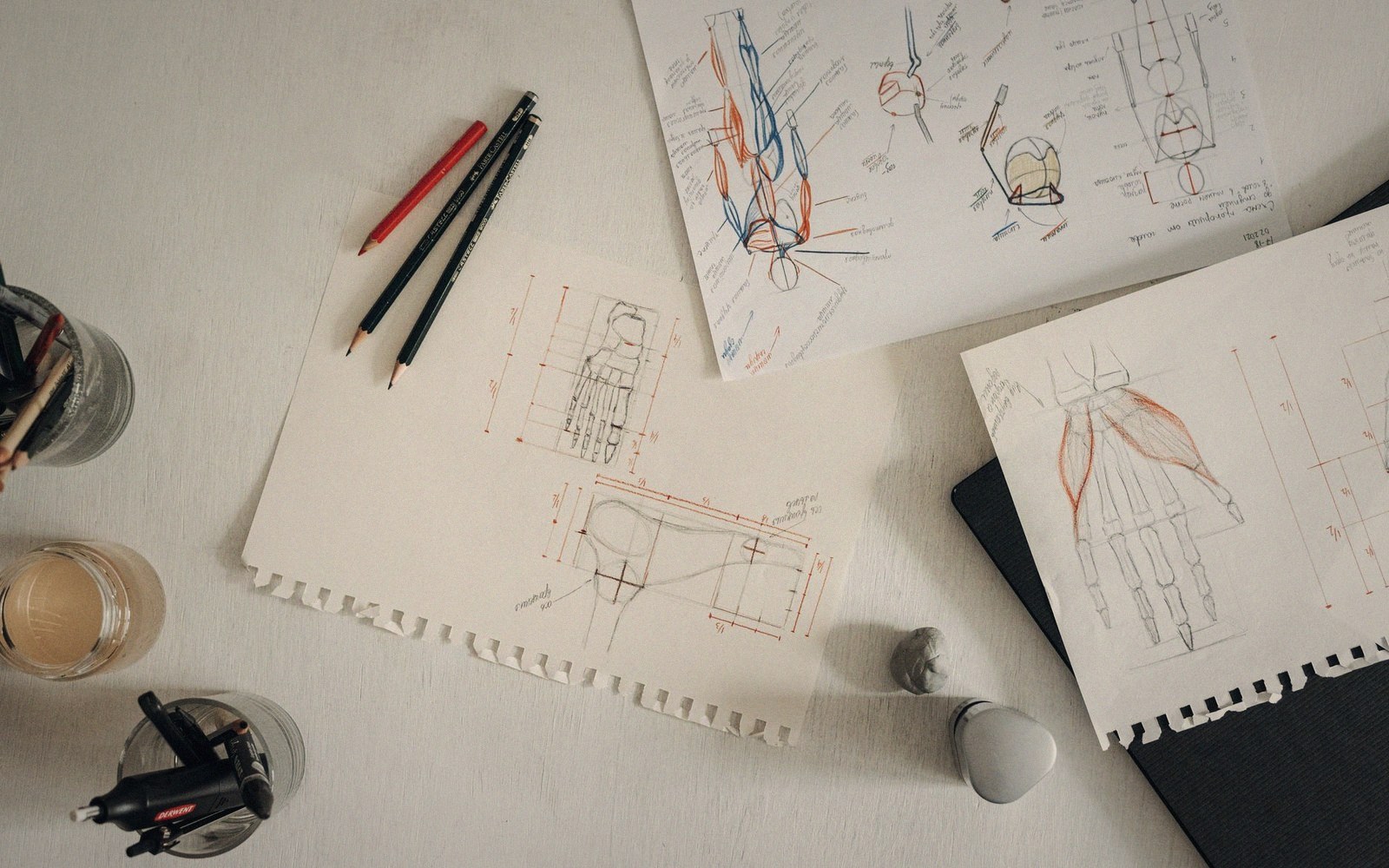
A wall of printed plans. Crossings-out are the cheapest edit anyone on the project will make.
Photo: Anete Lusina / Pexels
None of this means the outcome is always wrong. Directors who have shipped before know which features are genuinely load-bearing for something else — but even they can only protect what someone has shown them is quietly holding three other systems together. The worst cuts are the ones decided quickly and badly, not the ones decided high up. Speed and altitude are separate problems, even if they tend to arrive together.
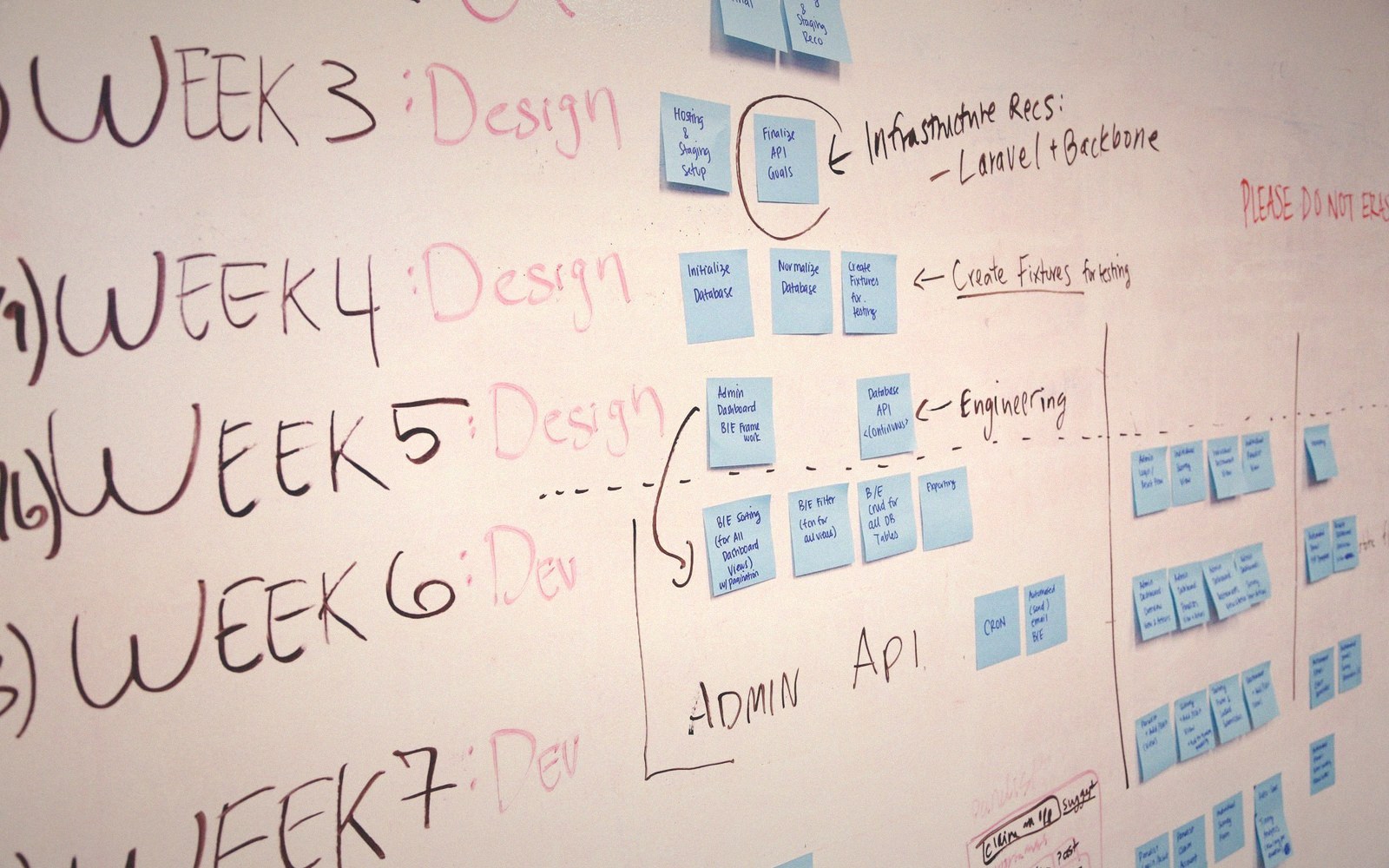
Planning furniture: useful for sequencing work, useless for predicting the last ten per cent.
Photo: Startup Stock Photos / Pexels
The best mitigation is not democratic — shipping games is not a democracy — but it is informational. The people closest to the work should be putting cost and dependency data in front of leads before the crisis, not after. When leads already know what a feature touches, what removing it breaks, and what finishing it actually takes, the decision that travels upward carries real information rather than assumption.
The problem is not who is in the room; it is that the room is too high up, too late, and the person with the most accurate cost estimate for the work is never in it.
That does not guarantee the right call. It makes a bad one harder to excuse.