01 — The Frame
Draw calls and what they cost
Each batch handed to the GPU carries overhead, which is why so much work goes into sending fewer, larger ones.

A mesh seen the way the renderer sees it: batches and counts, not silhouettes.
Photo: Marek Piwnicki / Pexels
The overhead nobody warned you about
A draw call is an instruction from the CPU to the GPU: here is some geometry, here is a material, go render it. Simple in concept, expensive in practice. Each call carries fixed overhead before a single triangle is drawn — state changes, validation, driver work — and that overhead is paid regardless of whether the batch contains one triangle or ten thousand. The geometry cost scales; the call cost does not. That asymmetry is the whole problem.
On modern hardware, the GPU is rarely the bottleneck when draw counts are high. The CPU is. It is spending its frame budget preparing, sorting and issuing calls instead of simulating physics, running AI or doing anything the player will notice. A scene with three thousand draw calls per frame is not necessarily a graphically complex scene — it may just be a badly batched one, and the GPU is sitting idle while the CPU works through its list.
The number that matters varies with the target platform. A high-end PC can absorb several thousand calls without flinching; a current-generation console has a well-tuned driver that eats overhead efficiently; a mid-range mobile GPU can fall over at a few hundred. Spec floors drive the budget — you optimise for the weakest machine in scope, not the strongest one in the office.

Hands on the controller. Feel is measured here, in frames of latency rather than opinions.
Photo: lalesh aldarwish / Pexels
What the engine does about it
Every mature engine ships with at least one system designed to reduce draw count, because the problem is universal and well-understood. The approaches split into a few categories, each with tradeoffs.
Static batching merges geometry that shares a material and never moves, combining what would be dozens of calls into one. The cost is memory: the merged mesh lives in RAM in its combined form. For a dense urban scene with many copies of the same wall section, the saving is dramatic; for a scene where every object has a unique material, it helps nothing.
It is spending its frame budget preparing, sorting and issuing calls instead of simulating physics, running AI or doing anything the player will notice.
Dynamic batching does the same work at runtime for small, moving objects. The CPU does the merging each frame, so it only pays off when the per-call overhead exceeds the merging work — which means it only helps for genuinely small meshes. The break-even point is lower than most people expect.
GPU instancing takes a different route: instead of merging geometry, it tells the GPU to draw the same mesh many times in a single call, varying position, rotation and scale through a data buffer. A forest of identical trees collapses from hundreds of calls to one. The constraint is that the meshes must be truly identical; any material variation breaks the instance batch. Artists who want variety in a field of rocks will sometimes add it through texture variation rather than mesh variation specifically to preserve instancing.
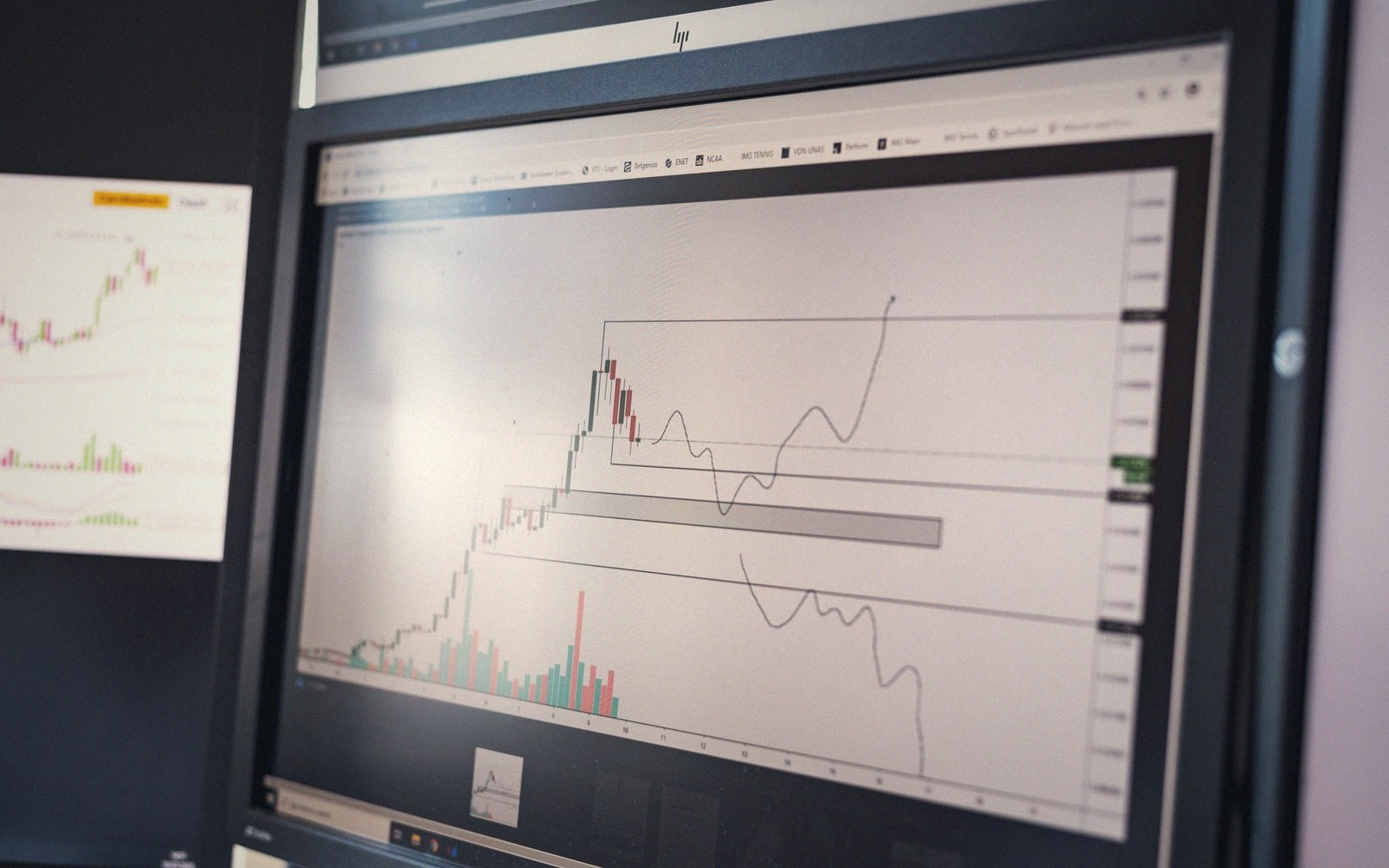
Profiler output. The expensive pass is rarely the one anybody suspected.
Photo: AlphaTradeZone / Pexels
Texture atlasing — packing many textures into a single large image — reduces material count, which reduces state changes, which reduces the call overhead even when geometry is not merged. It is one of the oldest tricks in the pipeline and still earns its place.
Sorting matters too. Calls that share state should run together; each state change between calls adds to the overhead. A renderer that groups opaque objects by material before drawing them will outperform one that draws in arbitrary order, even with the same call count. The engine's render queue is not a cosmetic concern.
| Line item | What it means in the build |
|---|---|
| High-end PC | several thousand calls per frame before CPU becomes the bottleneck |
| Mid-range mobile | can falter at a few hundred calls; the binding constraint for cross-platform titles |
| Multi-material meshes | each additional material slot adds at least one draw call per visible instance |
| Instancing broken by variation | any per-instance material difference collapses the batch; texture variation is the usual workaround |
What this means for production
The practical consequence is that decisions made in the asset pipeline — how many materials a mesh carries, whether objects are sized to instance, how textures are packed — have direct frame-time consequences. A character model with eight material slots where four would do is not just a texture budget problem; it is a draw count problem. A level dressed with forty unique prop variants where ten atlased variants would read identically is paying four calls where one would serve.
The conversation between art direction and technical direction is about exactly this: where is the call budget going, and is it going somewhere the player can see? Highly-detailed hero assets may justify their call count. Background scatter that registers as visual noise probably does not. Draw call budgets work best when they are set per zone and per asset class before production begins — agreed in the same conversation as triangle counts and texture memory — because retrofitting batching into a shipped pipeline is work nobody wanted to schedule.
Every figure in this entry is an illustrative worked example, shown because concrete numbers make the trade-off legible. It is not a measurement of any particular production.