03 — Grey Box
When it stops being grey
The moment a greybox level gets its first texture is the moment it becomes expensive to change.
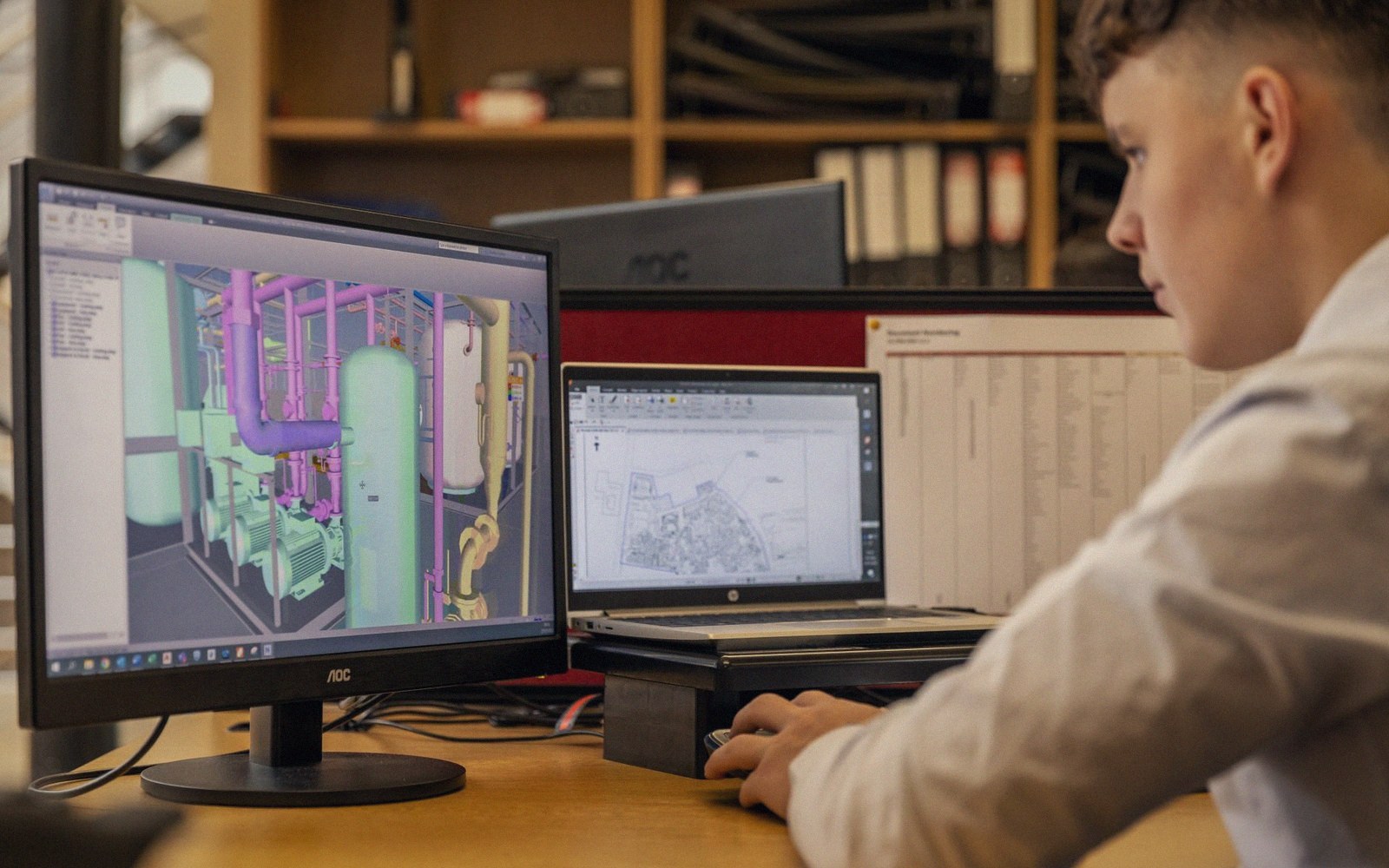
A mesh seen the way the renderer sees it: batches and counts, not silhouettes.
Photo: ThisIsEngineering / Pexels
The colour of commitment
A level in plain geometry costs almost nothing to rework. Move a wall, widen a corridor, delete a whole section — the work is measured in minutes. Add real art and the calculus changes immediately. That wall now has a trim asset fitted to it, a decal placed on it, and a lighting pass baked into it. Moving it means touching four or five disciplines, and sometimes reopening a conversation about draw calls or shadow budgets that was already closed.
This is why the question of when to leave greybox is genuinely a production decision, not an aesthetic one. The blockout phase exists to delay that cost, deliberately, until the design is stable enough to absorb it. The mistake teams make is reading "stable enough" as "feels pretty good in a walkthrough." It rarely is.
The reliable test is whether the level has been played — repeatedly, by people who did not build it — and whether the feedback from those sessions has been acted on. Not collected; acted on. A level that has passed one review and looks promising is still weeks of iteration away from being ready to dress. Commit the art before those iterations happen and every one of them carries a growing tail of rework. The team is no longer just moving a wall; they are also unpicking what was built around it.
Pipelines make the problem worse. Real assets travel through import, LOD generation, lightmap UV assignment, and shader hookup before they appear in engine. If the level shape changes after that pipeline has run, some of those steps run again — quietly adding to the build time for every subsequent change. Iteration time is already the scarcest resource on a level; premature art erodes it without anyone noticing until the schedule has slipped.
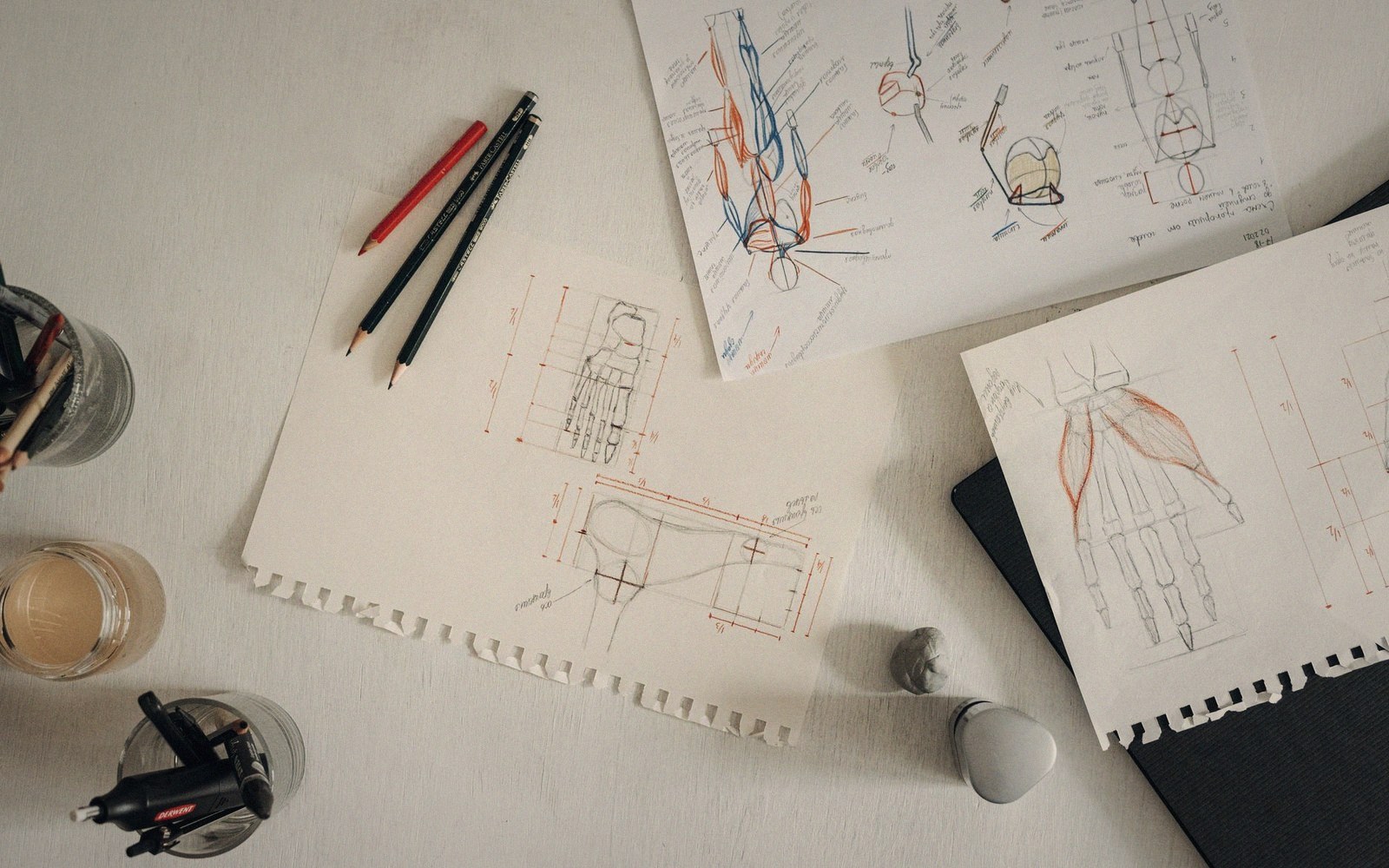
What a level looks like before it exists: routes, sightlines and one crossed-out room.
Photo: Anete Lusina / Pexels
The practical discipline is a sign-off gate: a moment where a lead — level, art, and design together — formally agrees the space is locked. Not frozen forever, but stable enough that changes will be exceptional and tracked, not routine. Studios that do this well treat the gate as a milestone event with the same weight as a vertical slice or a content-complete declaration. Studios that skip it tend to find their level artists perpetually patching work that design has not finished rethinking.
Grey is not a failure state. It is the cheapest possible version of the question does this space work? The answer to that question should come before the colour does.
The mistake teams make is reading "stable enough" as "feels pretty good in a walkthrough." It rarely is.

Two developers arguing about a doorway. The level stays untextured for months on purpose: anything that looks finished stops being questioned.
Photo: cottonbro studio / Pexels