08 — The Port
Load times
Storage speed changes what a level can assume.

A progress bar is a budget too — storage speed decides what a level is allowed to assume.
Photo: RDNE Stock project / Pexels
The floor the storage sets
A level designed on an NVMe drive can hide things its console counterpart cannot. Streaming geometry on demand, spawning new sections mid-run, keeping only what the camera can see in memory — these tricks are cheap when the drive answers in microseconds. On a mechanical hard disk, the same read takes fifty times as long, and the level design either accounts for that or it breaks.
This is the constraint porting teams hit first and hardest. The game was built against a performance envelope that includes storage speed, and that envelope is not the same everywhere. A door that swings open while data loads behind it works if the load is short enough to hide. It fails when porting to hardware where the door would have to stay shut for three seconds longer than the animation runs.
The consequences spread further than they first appear. Texture streaming, audio banks, and enemy spawn logic all make silent assumptions about how quickly the disk responds. A level that was designed without explicit corridors or gates — because the source platform was fast enough that none were needed — may need geometry added in order to breathe on a slower target. That is not purely a technical problem; it touches blockout decisions that were made and signed off months earlier, by people no longer thinking about the project.
Console generations have sharpened this. The storage architectures in current hardware are fast enough that some developers have built levels explicitly around the assumption of near-instant loads — no loading screens, no streaming hitches, no interstitial spaces. Porting those games backward, or to PC configurations where storage speed varies enormously across the install base, requires either streaming rewrites or the reinsertion of buffers the design assumed it would never need.

Hands on the controller. Feel is measured here, in frames of latency rather than opinions.
Photo: lalesh aldarwish / Pexels
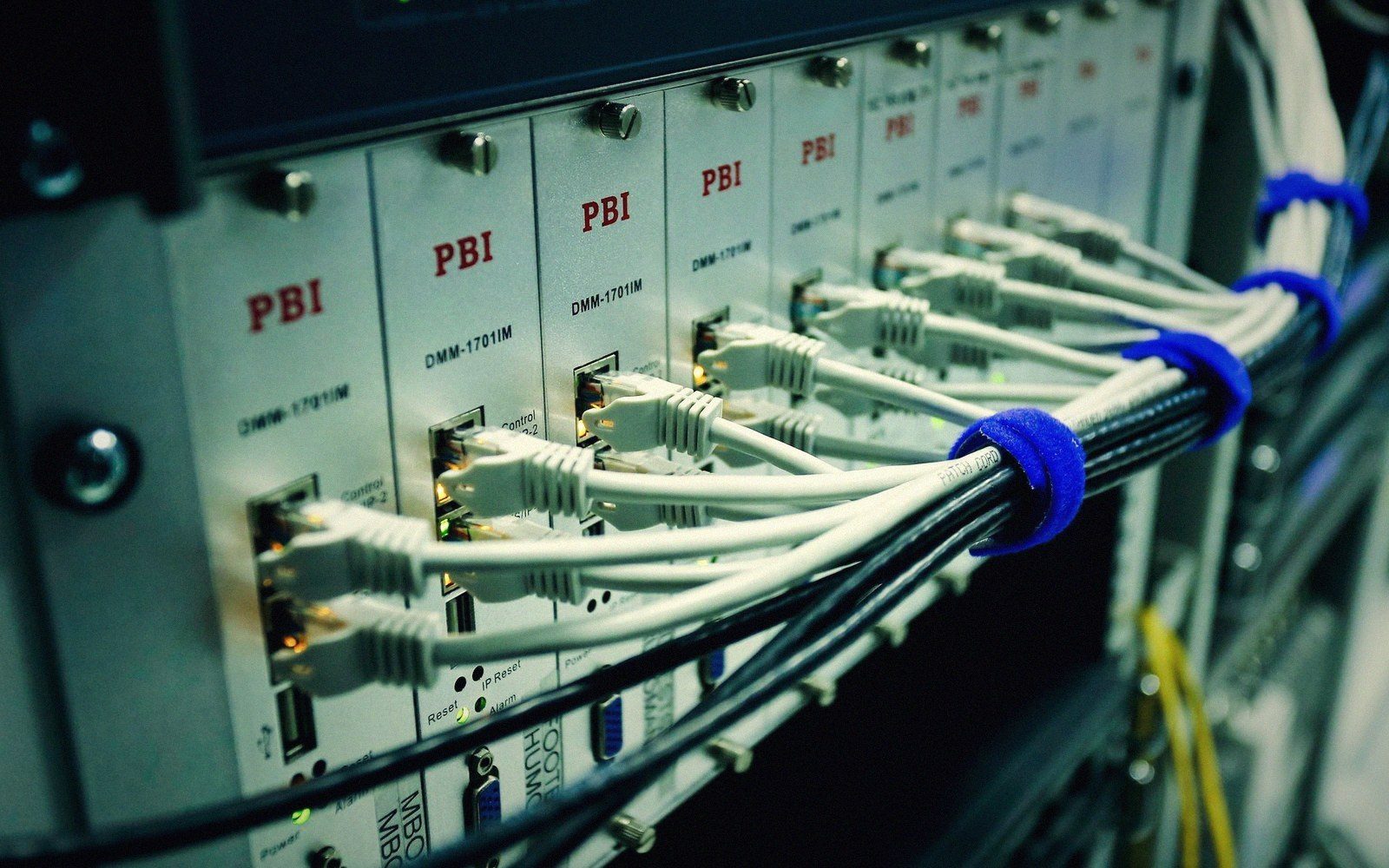
Test hardware is where a port stops being a theory.
Photo: Sergei Starostin / Pexels
Budget for it as a first-class task, not an afterthought. Profiling storage reads early in a port — before the rest of the optimisation pass — tells you which levels are structurally incompatible with the target's floor, rather than discovering this during final QA. The spec floors for a platform include the slowest certified storage configuration, not just the one the lead programmer owns.
The honest version of a porting plan has a line that reads: assess level streaming assumptions against target storage throughput. Most do not. The ones that skip it find out at certification, when a load time violation fails a platform check and a month of calendar evaporates fixing something a week of early profiling would have caught.
It fails when porting to hardware where the door would have to stay shut for three seconds longer than the animation runs.