02 — The Engine
Editors and tools
Most of an engine is a tool nobody outside the studio ever sees.

A tool built for one studio and seen by nobody outside it.
Photo: Nemuel Sereti / Pexels
The invisible half of the engine
Most of what an engine does is visible only to the people building the game — not to anyone playing it. The renderer, physics solver and audio mixer get discussed; the level editor, the material graph, the particle authoring tool, the animation state machine editor, the localisation spreadsheet importer do not. But developers spend more waking hours in those tools than they do anywhere else in the pipeline, and the tools' quality — or lack of it — flows directly into the game.
A mature commercial engine ships with a suite of editors because the companies behind them know that artists and designers who cannot author content independently become bottlenecks. When a level designer has to ask a programmer to change a door trigger, that is a tools failure. The designer's time is wasted, the programmer's context is broken, and the iteration loop stretches. Iteration time is the leverage point: the longer it takes to see whether a change works, the fewer changes get tried, and the game gets correspondingly less tested and less tuned.
Proprietary engines built inside a single studio often start without editors at all — data lives in text files or spreadsheets, edited by whoever is technical enough to not break the format. As the team grows, those workflows calcify into unofficial tools, one-off scripts and institutional workarounds. The first real editor is usually built in a hurry for a specific problem and then extended indefinitely beyond the thing it was designed for. The result is a coherent surface over an incoherent interior, which is why in-house tools debt is quietly one of the most common sources of crunch: everything works until the moment it does not, and then fixing it falls to the one person who remembers how it was built.
What good tooling actually looks like is fast feedback, obvious state, and graceful errors. Fast feedback means an artist can change a texture or a collision shape and see the result in the editor, not after a build cycle. Obvious state means the tool does not hide whether the version on disk matches the version in memory. Graceful errors mean that when something breaks, the tool says what broke, not just that it broke. None of these properties are glamorous; all of them compound. A team that never wonders whether what they see is what shipped is a team that makes better decisions faster.
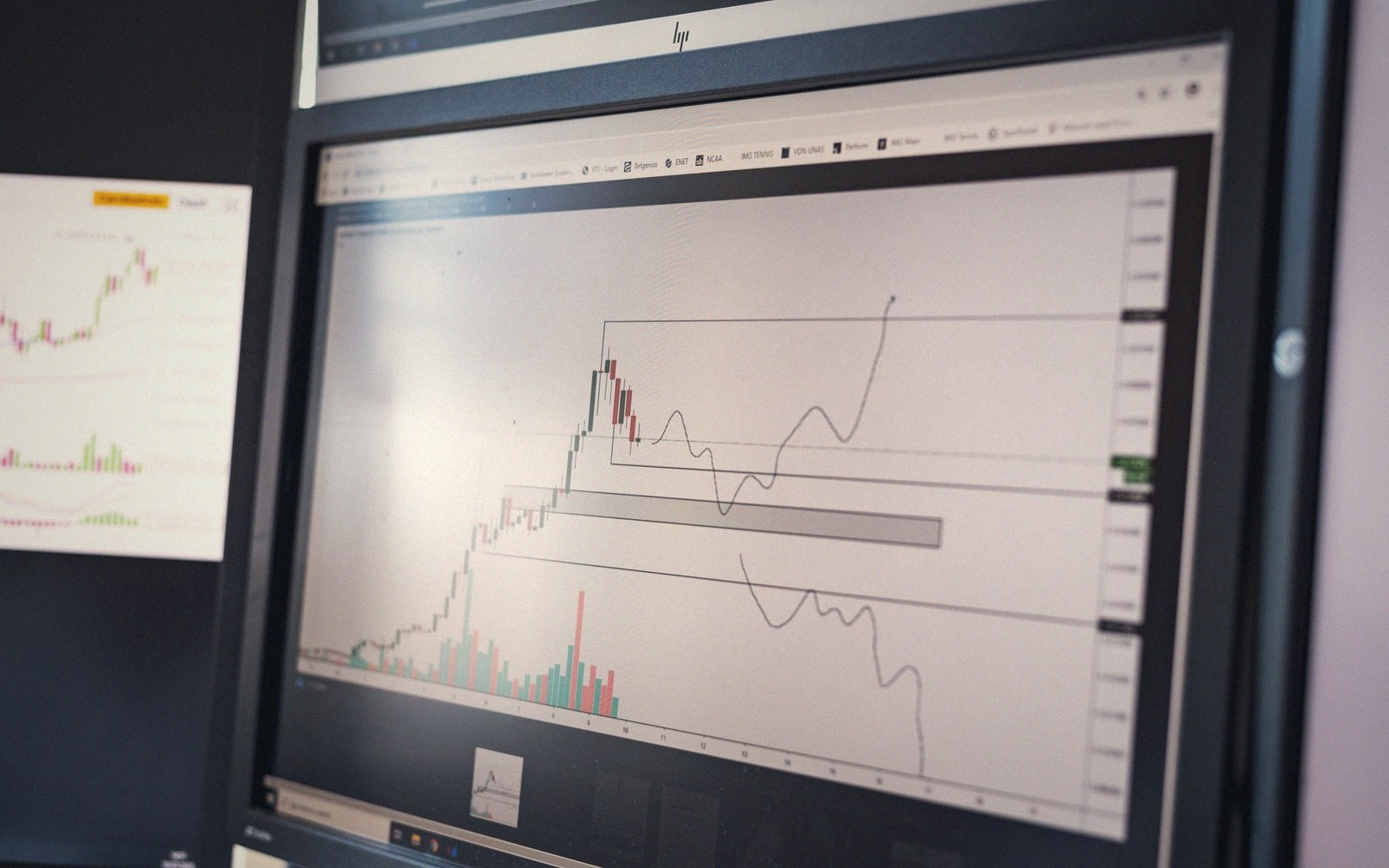
Profiler output. The expensive pass is rarely the one anybody suspected.
Photo: AlphaTradeZone / Pexels
Platform editors, scripting environments and visual programming graphs are each a form of this same promise: give non-engineers authoring power over complex systems. The gap between that promise and the delivered tool is where most of a project's invisible friction lives.

Development hardware for every supported target. The weakest machine in the rack sets the design.
Photo: Sergei Starostin / Pexels